Auto Campaign
United Against Nuclear Iran (UANI) launched its long-running Auto Campaign in March 2012. At the urging of UANI, the White House issued an Executive Order on June 3, 2013 imposing sanctions on those persons or entities that do business in Iran’s automotive sector.
UANI's Auto Campaign identifies and monitors foreign automotive companies doing business in Iran and working with Iranian regime-owned entities that license-build foreign vehicles and dominate the Iranian auto sector. The auto sector supports the regime in two key ways: 1) as a massive source of revenue, accounting for 10% of GDP and 2) as a means of accessing advanced foreign technologies and products for its military and security forces through manufacturing agreements with companies like Peugeot and Mazda, among others. Auto-manufacturing represents the regime's second-most lucrative industry after oil and gas and is a central component of Iran’s industrial sector, employing around 14% of the workforce. In spite of sanctions, Iran's auto industry has grown to be the largest in the Middle East and 13th largest worldwide, having built more than 1.5 million vehicles in the financial year 2017-18.
United Against Nuclear Iran (UANI) launched its long-running Auto Campaign in March 2012. At the urging of UANI, the White House issued an Executive Order on June 3, 2013 imposing sanctions on those persons or entities that do business in Iran’s automotive sector.
UANI's Auto Campaign identifies and monitors foreign automotive companies doing business in Iran and working with Iranian regime-owned entities that license-build foreign vehicles and dominate the Iranian auto sector. The auto sector supports the regime in two key ways: 1) as a massive source of revenue, accounting for 10% of GDP and 2) as a means of accessing advanced foreign technologies and products for its military and security forces through manufacturing agreements with companies like Peugeot and Mazda, among others. Auto-manufacturing represents the regime's second-most lucrative industry after oil and gas and is a central component of Iran’s industrial sector, employing around 14% of the workforce. In spite of sanctions, Iran's auto industry has grown to be the largest in the Middle East and 13th largest worldwide, having built more than 1.5 million vehicles in the financial year 2017-18.
Foreign Automakers Active in Iran
| Company | Activity in Iran | Partners in Iran | Statistics | U.S. Government Contracts Since 2000 | UANI Campaigns | Photographic Evidence |
|---|---|---|---|---|---|---|
| Vehicle Exports | Persia Khodro | $27.6 million | ||||
|
Fiat/Iveco |
Vehicle Production |
Pars Industrial Development Foundation Kherman Khodro |
2010: SAIPA produced 1,213 Iveco vehicles. Kerman Khodro produced 211 Fiat vehicles. Pishro Yadak produced 5 Iveco vehicles. 2004-2010: Pars Industrial Development Foundation produced approximately 2000 Fiat vehicles. |
Fiat was the recipient of U.S. federal bailout money to gain a stake in U.S. automaker Chrysler. Fiat now owns 58.5% of Chrysler. |
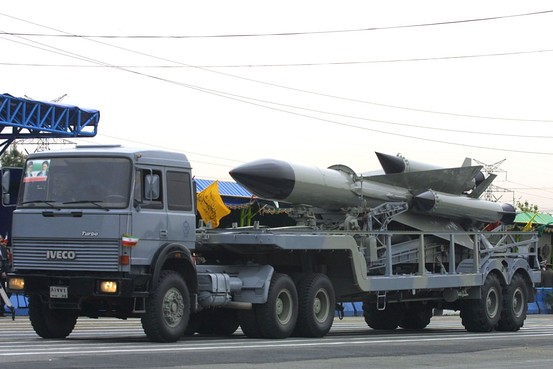
May 2012: In response to UANI's campaign, Fiat announced its subsidiaries Iveco and CNH would end their business in Iran. April 2011: Launched a campaign calling on Fiat to end its business in Iran. Fiat has sold Iveco trucks to Iran that have been used to transport ballistic missiles and hang dissidents. |
|
|
Vehicle Exports Vehicle Production |
Tizro | $7.5 million | ||||
|
Hyundai |
Vehicle Exports Vehicle Production |
2010: Iran Khodro Diesel produced 4,417 Hyundai vehicles. 2010: Rayan Khodro produced 5,322 Hyundai vehicles. 2010: Hyundai exported 22,000 vehicles to Iran. |
$19.9 million |
April 2012: Hyundai ended its business operations in Iran, including a joint venture to produce cars. December 2010: Launched a campaign calling on Hyundai to cease its business in Iran. Hyundai exports and manufactures vehicles in Iran in coordination with Iranian regime-controlled entities. |
|
|
| Vehicle Production | Bahman Group |
2010: Bahman produced a total of 14,121 Isuzu vehicles. |
$32.7 million | |||
|
Kia |
Vehicle Exports Vehicle Production |
SAIPA | 2010: SAIPA produced 19,298 Kia vehicles. | $2.4 billion | ||
|
Lamborghini |
Vehicle Exports | Gerami | $3 million (Audi AG) |
January 2013: Lamborghini informs UANI they are no longer doing business in Iran. October 2012: Launched a campaign calling on Audi subsidiary and luxury auto brand Lamborghini to end its Iran business. |
||
|
Maserati |
Vehicle Exports | Arta Tech Motor |
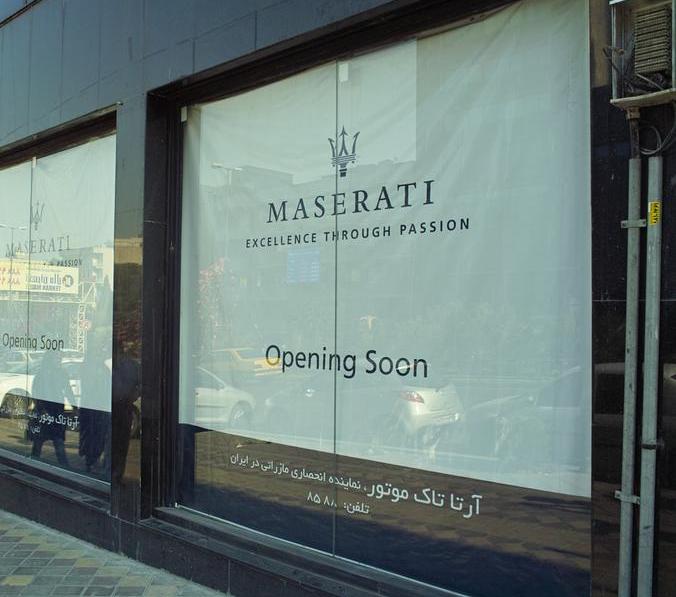
January 2013: In a meeting with UANI, Maserati said its dealings in Iran had concluded. In a follow-up letter, the company stated, "Since our meeting, Maserati’s representatives have also successfully worked with Facebook to disable an Arta Group site which falsely suggested a Maserati presence in Iran." October 2012: Launched a campaign calling on Fiat luxury auto brand Maserati to end its exports to Iran. Maserati was reportedly opening a dealership in Tehran to cater to the Iranian regime elite. |
|
||
| Vehicle Production | Bahman Group | 2010: Bahman produced 36,891 Mazda vehicles. | $2.4 billion | March 2012: Launched a campaign calling on Mazda to end its business in Iran. Mazda is tied to the IRGC through its partnership with the Bahman Group. | ||
| Vehicle Exports | Setareh Iran | $4.2 billion |
|
|||
| Vehicle Production | Bahman Group | $337.7 million | ||||
| Vehicle Production | 2011: SAIPA subsidiary Pars Khodro produced 2,688 Nissan vehicles. | $17.7 million
In May 2010, was awarded the $1 billion "Taxi of Tomorrow" contract by New York City. |
January 2011: Launched a campaign calling on New York City to refuse to award the $1 billion Taxi of Tomorrow contract to any company that conducts business in Iran, including front-runner Nissan. |
|
||
| Vehicle Production | Iran Khodro | 2011: Iran Khodro produced 468,799 Peugeot vehicles. | Peugeot and General Motors (GM) recently cemented a partnership in which GM has acquired 7% of Peugeot. The U.S. Treasury owns a 27% stake in GM. | In response to UANI's campaign, Peugeot declared in March 2012 that it ended its shipments of car components to Iran, but since that month, more than 100,000 Peugeot vehicles have been built in Iran.
March 2012: Launched a campaign calling on Peugeot to end its business in Iran. Peugeot, the leading foreign auto brand produced and sold in Iran, is partnered with Iran Khodro, which is controlled by the Iranian regime. |
||
|
Porsche |
Vehicle Exports | Moin Motors | 2011: 206 Porsche vehicles were sold in Iran in the first five months of the year. | $228,438 | April 2012: Porsche ended its business in Iran. | |
| Vehicle Production |
2011: Iran Khodro and SAIPA produced 102,928 Renault vehicles. |
April 2012: Launched a campaign calling on Renault, as part of the Renault-Nissan Alliance, to end its business in Iran and sever their all to Iranian regime entities. | ||||
| Vehicle Exports | 2006: Subaru estimated sales of 2,500 vehicles in Iran. | |||||
| Vehicle Production | Iran Khodro; | 2011:Iran Khodro produced 4,393 Suzuki vehicles. | $1.3 million |
|
||
| Vehicle Exports | 2008: Toyota sold 4,000 vehicles in Iran. | $154.4 million |
|
|||
| Vehicle Production | Bam Khodro | 2010: Bam Khodro produced 314 Volkswagen Vehicles | $1.9 million | |||
|
Volvo Group |
Vehicle Production |
2010: SAIPA Diesel produced 2,366 Volvo vehicles. Runiran produced 474 Volvo vehicles. |
$167 million |
|










Iran’s auto industry continues to experience high levels of growth even while international sanctions are closing off a wide range of the Iranian regime's sources of revenue and access to foreign technology. Aided by partnerships with automakers from France, Japan, South Korea, Italy and Germany, Iran’s auto industry has enjoyed more than 20% average annual growth since 2000. Growth was almost 14% for 2017-2018. Nevertheless, foreign auto makers are beginning to recognize the risks of doing business in Iran. According to a U.S. government report, foreign carmakers are now entering the Iranian market with "caution in light of concerns about U.S reaction and reputational risk."
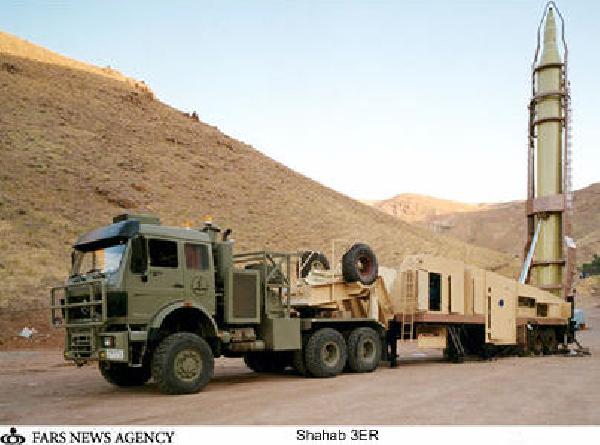
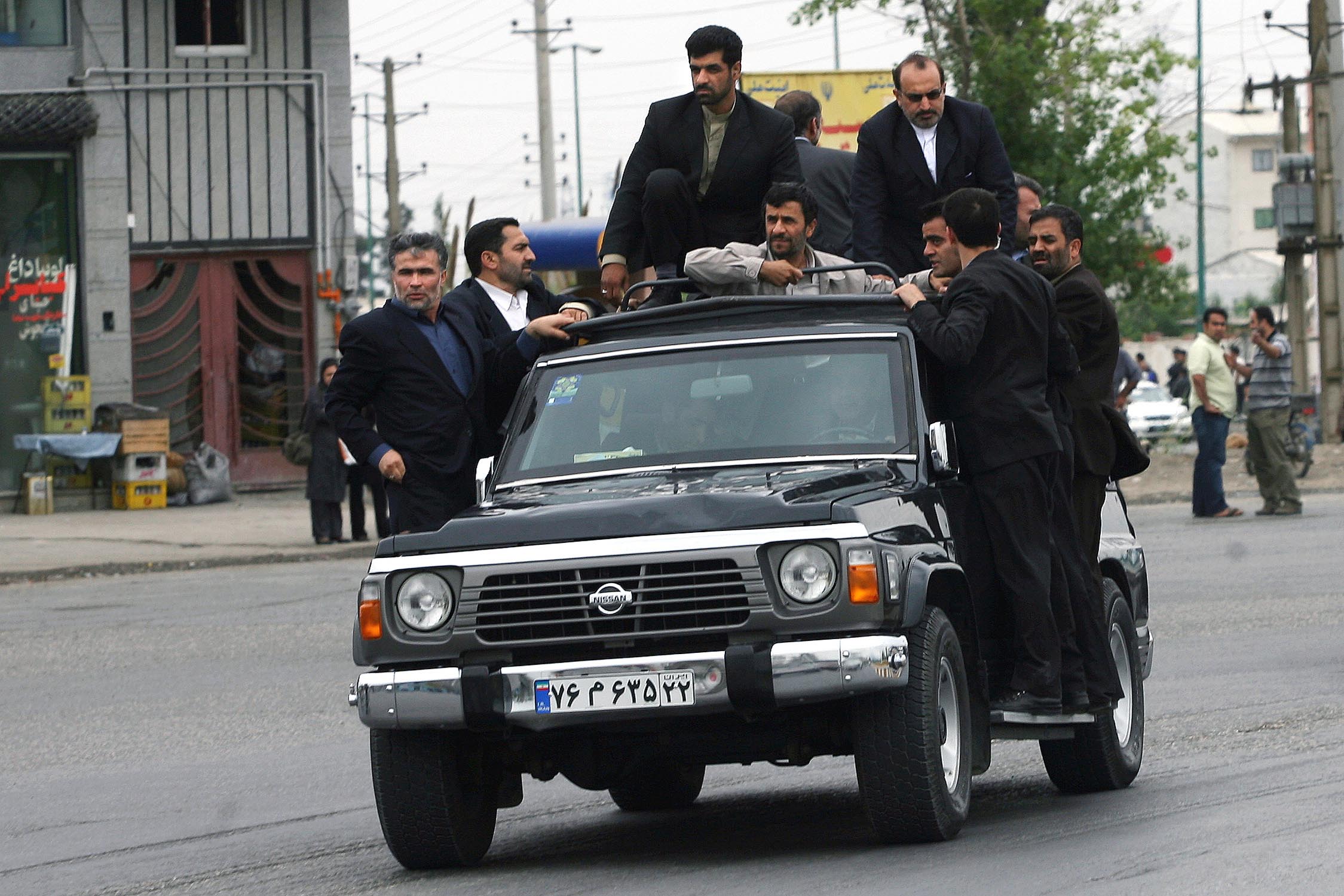
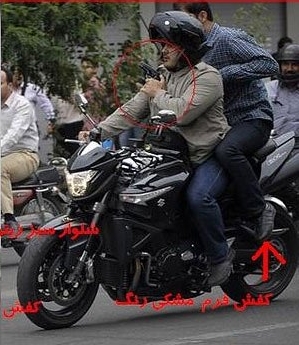
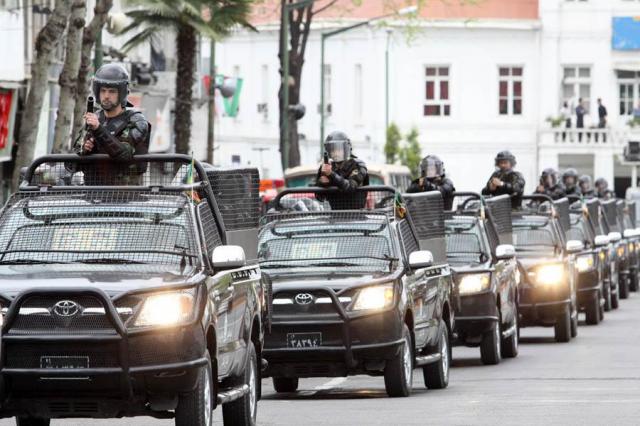
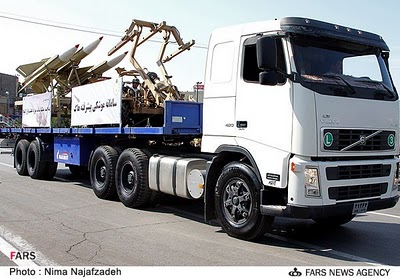
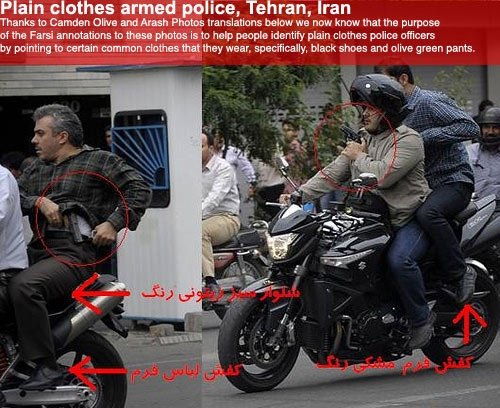
Such caution is well founded. The IRGC notoriously exploits Western technology, using vehicles imported or license-built by makers such as Volvo Group, Mercedes (Daimler) and Toyota to serve as mobile platforms to stage public executions or transport and launch ballistic missiles. Honda and Suzuki motorcycles are the vehicles of choice for violent gangs of regime-sponsored Basij militia and plainclothes police.
Despite the misuse of their equipment, and U.S. and EU sanctions targeting the IRGC, many automotive companies continue to unapologetically do business with the Iranian regime. For instance, European and Japanese carmakers such as Renault, Nissan, Mazda, Isuzu and others continue to carry out extensive business and manufacturing agreements with IRGC affiliates such as IKCO, Saipa Group and Bahman Group.
Since the U.S. withdrawal from the Iran Nuclear Deal (JCPOA) in May 2018, some foreign automakers have stopped or suspended business in Iran. Sweden’s Volvo decided to suspend operations in September 2018. Peugeot-Citröen, one of Iran’s historically biggest partners, decided to shutter its joint venture with Iran Khodro and Saipa in June 2018.
It is well past time for all foreign auto companies to follow suit and stop enriching the Iranian regime and empowering is agents of repression and terrorism. Automakers must end their Iran business now. To this end, UANI has developed model legislation for adoption by the U.S. Congress that will force auto manufacturers to choose between American taxpayers and the Iranian regime.
The DRIVE Act requires automakers to certify they are not engaged in any business in Iran, or engaged in the implementation of any agreement with Iranian entities in order to be eligible for U.S. government contracts or financial assistance.
Receive Iran News in Your Inbox.
Eye on Iran is a news summary from United Against Nuclear Iran (UANI), a section 501(c)(3) organization. Eye on Iran is available to subscribers on a daily basis or weekly basis.