Japan

Cosmo Oil Company

Industry
Energy
Value of USG Contracts
308
Value of USG Contract Source
http://usaspending.gov/explore?tab=By%20Prime%20Awardee&contractorid=299423&comingfrom=searchresults&fromfiscal=yes&carryfilters=on&fiscal_year=2010
Symbol
JP: 5007
Country
Japan
Sources

"Japanese refiner Cosmo Oil will load around 900,000 barrels of Iranian Heavy crude oil in early March." (Tehran Times, 2/26/2019).

--

"Japan's Cosmo Oil loads first Iran crude cargo after US sanctions waiver: source." (1/28/2019)

--

Japanese refiner Cosmo Oil has replaced its Iranian crude oil imports with supplies from other Middle Eastern producers ahead of U.S. sanctions on Iran in November, top company executives said. (Reuters, 9/23/2018).

--

According to publicly accessible ship-monitoring data, since January 1, 2016, Cosmo-operated vessels have called at Iranian ports on several occasions.

--

In 2015 CosmoOil was removed from Pennsylvania Treasury's List of Scrutinized Companies Determined as Having Involvement In Iran because the company's "involvement in purchases of crude oil falls uner the waivers granted by the U.S. government that meet Section (a)(2) of Act 44's expiration clause."
 

--

“Two Japanese buyers of Iranian crude, Idemitsu Kosan and Cosmo Oil, are unlikely to raise imports from the Middle Eastern country even after sanctions were eased as part of an initial deal on Tehran's disputed nuclear programme. Executives with the two refiners said on Tuesday they have no plans to increase their contract volumes following the November deal between world powers and Iran that allowed Tehran to keep oil exports at around 1 million barrels per day (bpd), about half of pre-sanction levels…At the same event, Cosmo Oil President Keizo Morikawa also said his company is unlikely to increase purchases from Iran. ‘It is unlikely we can raise volumes now because (domestic) demand is declining,’ he said, adding that it remains unclear how much it would be allowed to import under U.S. sanctions. Cosmo Oil will slightly reduce its Iranian oil imports from April, after its current annual contract expires, an industry source familiar with the matter told Reuters in November. Cosmo has cut its Iranian imports to 15,000 bpd or less in the business year through March 2014, from 40,000 bpd two years ago, industry officials have said.” (Reuters, “Japan's Idemitsu, Cosmo unlikely to raise Iranian crude imports,” 1/7/14)

--

In 2013, CosmoOil was added to the Pennsylvania Treasury's List of Scrutinized Companies Determined as Having Involvement in Iran because government related oil activity. 

--

"Besides JX Nippon, Japan's top buyer of Iranian crude, Showa Shell Sekiyu KK, and Cosmo Oil have already renewed term deals to lift Iranian crude from April, industry sources have said." (The New York Times, "Japan's JX: No Problem With Paying Iran for Oil Now," 5/17/2012)

--

"Iran is poised to lose at least 192,000 barrels a day of crude-supply contracts, or about 9.5 percent of its global exports, as Asian buyers curb purchases amid western sanctions targeting the nation's oil trade. Mangalore Refinery & Petrochemicals Ltd. (MRPL) and Essar Oil Ltd., India's biggest buyers of Iranian crude, and China International United Petroleum & Chemical Co. have reduced or plan to cut purchases from the Islamic Republic by as much as 15 percent. China and India are Iran's largest customers. In Japan, the only Asian country to get an exemption from U.S. sanctions after it demonstrated reductions in purchases, Cosmo Oil Co. plans to cut imports by 25 percent, while JX Nippon Oil & Energy Corp. suspended talks with the Persian Gulf nation over a 10,000 barrel-a-day contract." (Bloomberg, "Iran May Lose 9.5% of Oil Contracts as Asian Buyers Cut Imports," 5/3/12)

--

"Japan's Cosmo Oil Co has renewed its annual oil purchase deal with Iran and cut the volume to comply with U.S. sanctions against the Islamic nation, trade sources said on Friday. A company spokesman declined to comment. Cosmo's new contractual volume from April onwards remained unclear. The company had already lowered its Iran crude imports to a little below 30,000 bpd from about 40,000 bpd since January, and was set to cut further from April, the sources said. Japan's top buyer of Iranian crude, Showa Shell Sekiyu KK , has already renewed its deal, industry sources have said. The contract renewal came after Iran agreed to include a clause in contract terms that released Japanese buyers from any penalty if international sanctions prevent them from taking delivery of Iranian oil, sources said." (Reuters,"Japan's Cosmo Oil renews Iran imports deal," 4/20/2012)


--

"Japanese refiners will cut Iranian crude imports yet again in April as they shy away from renewing annual contracts, showing continued commitment to U.S.-led sanctions over Tehran's nuclear programme.  Japan, the world's third largest oil consumer, has strongly backed calls to cut Iranian oil imports and earlier reductions were hailed by its top business and military ally, the United States, as an example to other countries...JX Nippon Oil & Energy Corp, Japan's biggest oil refiner, has not renewed a contract to buy 10,000 barrels per day (bpd) of Iranian crude, which expired in March, the sources said, declining to be identified as they are not authorised to talk to the media.  Apart from JX, at least three other Japanese firms, including Idemitsu Kosan Co and Cosmo Oil Co, which together buy around 40,000 barrels per day, will not lift any Iranian crude in April, industry sources said. These three do not lift Iranian oil every month."  (Reuters, "Japan refiners deepen Iran crude import cuts,"  4/4/12)

-- 

"JAPAN - In 2009, Iran exported about 421,000 bpd of crude to Japan. It was overtaken by Qatar, however, as Japan's third-largest crude supplier.  Many of Japan's top refiners buy Iranian crude, including Showa Shell Sekiyu (5002.T), Nippon Oil (5001.T), Japan Energy, Cosmo Oil (5007.T). Trading house Toyota Tsusho (8105.T) also has a deal to buy crude from the Islamic republic."  (Reuters, "Iran's Crude export and fuel import customers," 4/13/2010)


JX Nippon Oil & Energy

Industry
Energy
Value of USG Contracts
194
Value of USG Contract Source
http://usaspending.gov/explore?fromfiscal=yes&fiscal_year=2003&contractorid=299664&fiscal_year=&tab=By+Prime+Awardee&fromfiscal=yes&carryfilters=on&Submit=Go
Symbol
TYO: 5001
Country
Japan
Sources

Subsidiary of JXTG Holdings.

"According to the official, talks are underway with multinationals, namely Italy's Tecnimont, China's Sinopec, Japan's Marubeni, JGC Corporation, JX Nippon Oil & Energy and South Korea's Daelim, to fund the ventures." (October 2017)

--

During the fiscal year ended March 31, 2017, JXTG Nippon Oil & Energy, a wholly-owned subsidiary of JXTG Holdings, purchased 31 million barrels of crude oil from National Iranian Oil Company for a total purchase price of ¥144,046 million, out of a total of 415 million barrels of crude oil that it purchased during the same period, constituting approximately 7% of the total amount of crude oil that it purchased during the same period. (2017)

v

--

In 2016, JX Nippon’s intentions vis-à-vis the Iranian market are unclear.  According to reports, “JX had a contract to buy 53,000 barrels per day (bpd) of Iranian crude in 2015….the refiner's annual term crude contract with Iran had been renewed, although he [Chairman Yasushi Kimura] could not confirm the volumes.” Chairman Kimura stated that whether JX would increase its Iranian volumes following implementation of the JCPOA “would depend on the economics.” (Reuters, “Japan's JX renews Iran term crude contracts for 2016 –sources,” 1/5/2016).   
--

"Two of Japan's biggest buyers of Iranian crude, JX Nippon Oil & Energy Corp and Showa Shell Sekiyu KK, are set to keep their purchases from Tehran largely steady in 2015, their top officials said on Tuesday. JX, which sources said imported 53,000 barrels per day (bpd) of Iranian crude in 2014, will keep its volumes steady in the new term contract starting this month, Chairman Yasushi Kimura said on the sidelines of an industry gathering. 'Iranian sanctions have been unchanged, so we will not increase or reduce volumes,' Kimura told Reuters." (Reuters, "Japan's JX, Showa Shell to keep Iran crude volumes steady to last year," 1/6/15)

--

“Japan's biggest refiner JX Nippon Oil & Energy has cut its annual crude contract with Iran by 27 percent, an industry source said, a move that will likely keep at bay any potential U.S. pressure over oil shipments from the Islamic republic…JX Nippon Oil & Energy, a unit of JX Holdings Inc, opted to cut its 2014 contract for crude from Iran to 53,000 bpd, from 73,000 bpd last year, said a source familiar with the matter who declined to be identified. The cut was in keeping with reductions to contracts from other crude suppliers such as Saudi Arabia that come as Japan's domestic demand weakens and refiners close down crude units, said the source. JX has cut its refining capacity nearly 600,000 bpd over the last five years due to Japan's shrinking home market and a government efficiency mandate…The reduction amounts to an annual loss of around $800 million for Iran at current prices, according to Reuters calculations. The cuts of 20,000 bpd were slightly more than expected, with the source saying in September that JX would cuts its 2014 imports from Iran to around 60,000 bpd. JX spokesmen declined to comment, citing confidentiality agreements with Iran. Japan reduced Iranian imports by 6.2 percent to 177,414 bpd last year, compared with a 0.9 percent decline in total oil imports. Even if other Japanese buyers lifted the same volumes from Iran this year as last year, the nation's imports would fall to 157,414 bpd, down 11 percent on year.” (Reuters, “Japan's JX cuts 2014 Iran term crude import 27 pct -source,” 3/14/14)

--

"Japan's biggest oil refiner JX Holdings has renewed its annual contract for importing crude oil from Iran for 2014, with volumes steady to slightly lower compared to this year. Steady progress in talks between world powers and Iran over Tehran's decade-old disputed nuclear programme is raising hopes shipments from the OPEC member will stabilise next year at the current reduced levels, prompting JX, and potentially, other buyers to renew their contracts…JX will import quantities of Iranian crude that are permitted under the Western sanctions, chairman Yasushi Kimura told reporters on Thursday, but declined to comment on the volumes…An official at JX Nippon Oil & Energy Corp, the downstream oil unit of JX Holdings, said import volumes for 2014 from Iran have not been set formally but have been mostly decided, with steady or slightly lower quantities to be imported compared to 2013 levels. 'Volumes are not rising,' in 2014, the official said. JX Nippon is likely to cut its Iran import volumes to around 60,000 bpd in 2014 from an estimated 73,000 bpd this year, an industry source familiar with the matter said in September." (Reuters, "Japan's JX renews annual Iranian crude import contract for 2014," 12/19/13)

--

"Japan's top buyer of Iranian crude JX Nippon Oil & Energy Corp is set to cut the oil it takes from the Middle Eastern producer in an annual contract for next year by nearly 20 percent, an industry source familiar with the matter said. Japan, Iran's third biggest oil client, has been cutting its purchases sharply since 2012, under pressure from U.S. and EU sanctions targeting Tehran's nuclear programme…JX is braced for the cuts even though Iran has proposed an agreement to address concerns about its nuclear programme within a year at talks with major powers. 'JX is set to cut close to 20 percent, or by more than 10,000 bpd,' the source told Reuters on condition of anonymity. JX Nippon, a downstream unit of JX Holdings, is expected to cut its Iran import volumes to around 60,000 bpd in 2014, down from an estimated 73,000 bpd this year. That would cost Iran around $390 million next year at current OPEC basket prices, according to Reuters calculations…JX until recently had two annual contracts with Iran, one with a larger volume running from January-December and a smaller one running over the April-March fiscal period. The company only renewed the bigger contract this year, cutting the volume by 10,000 bpd from a year earlier to 73,000 bpd. The second contract, for 10,000 bpd, was allowed to expire at the end of March 2012 and was not renewed." (Reuters, "Japan's JX set to cut 2014 Iran crude buys by nearly 20 pcta," 9/27/13)

--

"JX Nippon Oil & Energy Corp., the country’s biggest refiner, will cut its imports from the current contract of about 80,000 barrels a day, Kimura Yasushi, who serves as chairman for both JX and the Petroleum Association of Japan, said at a press conference today...  'Maintaining that 160,000 barrels a day as a ceiling, refiners will look into reducing more, as JX cuts its own imports,' said Kimura, who declined to comment on how much purchases would be cut. 'We will tackle this while keeping a close eye on the U.S.’s policy on Iran'" (Bloomberg, "Japan to Extend Cuts in Iran Oil Imports in 2013, JX Chief Says," 12/19/12)

--

"Japanese refiners have yet to decide on their crude import volumes from Iran for 2013 as they are looking at various factors including US sanctions, Petroleum Association of Japan President Yasushi Kimura told reporters Monday.'At present, we have not decided on our direction of Iran crude imports,' Kimura said at a press conference in Tokyo. 'We will consider our options from now on to see such factors as various alternative crude options as well as situations over the US sanctions to decide whether we will cut our imports further or maintain the current reduction pace' . . . Kimura, who is the chairman of JX Nippon Oil & Energy, said the company is scheduled to renew its annual crude import contract in January 2013. JX Nippon Oil & Energy would decide its annual import contract next year by considering various factors at the time of its renewal, he added, declining to elaborate further. Platts reported October 17 that JX Nippon Oil & Energy has started talks with the National Iranian Oil Company for the renewal of its contract beyond January 2013. The company might finalize its 2013 contract with NIOC later this month, sources familiar with the matter had said then. JX Nippon Oil & Energy confirmed earlier that it has a contract to import 80,000 b/d of Iranian crude for January-December 2012. A second contract for 10,000 b/d expired at the end of March 2012. JX declined to comment on the fate of the 10,000 b/d import contract that NIOC had allowed it to keep pending for renewal. t was also not immediately clear whether JX Nippon Oil & Energy would reduce significantly its Iranian crude purchase volumes in 2013 compared with 2012 as Japan has already cut a significant volume of its imports this year from a year ago, according to industry sources . . . Japan's imports of crude from Iran have been falling in recent years and are set to fall further following its agreement with the US that allows Japanese banks continued access to the US financial system in return for a pledge to reduce the country's purchases of Iranian crude." (Platts, "Japan yet to decide on Iran crude import volumes for 2013 -- PAJ chief," 10/22/12)

--

"Japanese shippers will start loading on Friday their first cargo of Iranian oil in a month and a half, after the government provided insurance guarantees to replace EU coverage which was suspended due to sanctions against Iran, sources said…Japan's top refiner, JX Nippon Oil & Energy, which has a contracted volume with Iran of 83,000 bpd, has emerged as the country's biggest buyer of Iranian crude, taking the top spot from Showa Shell Sekiyu." (Reuters, "Japan shippers to resume loading Iranian oil on Friday," 7/20/12)

--

"Japan will load its first Iranian crude cargo backed by sovereign guarantees since sanctions disrupted coverage in the international reinsurance market.

JX Nippon Oil & Energy Corp. and Idemitsu Kosan Co. will load about 1.7 million barrels of Iranian crude on the very large crude carrier Ryuho Maru on about July 20 at Kharg Island, the country’s biggest oil-export terminal, according to three officials from the refiners and Japan’s trade ministry. The tanker, owned by Iino Kaiun Kaisha Ltd. , will be backed by the Japanese state, they said, asking not to be identified because the information is confidential.

Japan’s Iranian crude imports will fall in July because refiners were unsure whether the sovereign insurance would be available when they planned July-loading schedules last month, the officials said. Japan’s parliament passed a bill on June 20 to provide $7.6 billion of guarantees to tanker owners that carry Iranian oil. European Union sanctions, introduced as an attempt to persuade Iran to halt its nuclear program, took effect July 1." (Bloomberg, "Japan Set To Load First Iran Crude With Sovereign Insurance," 7/13/12)

--

"Japan will not import any Iranian crude in July as buyers held back to avoid any risk of running foul of EU sanctions targeting insurance, which have severely disrupted the OPEC member's supplies, industry and government sources said on Wednesday.

Japan will join South Korea among top Asian buyers in halting all Iranian imports this month due to sanctions imposed by Brussels on Sunday that aim to cut Iran's oil revenues and force Tehran to curb its nuclear program. The measure will cost Iran dearly in July, as Japan and South Korea imported a combined 256,000 barrels per day (bpd) of Iran's crude in May, worth over $750 million at current oil prices…The EU oil embargo has stopped European insurers, who dominate the maritime sector, from offering cover on Iranian crude. Industry watchers say the EU step has proven to be the hardest hitting measure in the West's arsenal of sanctions aimed at Iran.

Japan's government agreed last month to step in and provide insurance cover of up to $7.6 billion for shipments to keep oil trade with Tehran going…The country's next shipments will be loaded in Iran in late July. Allowing for journey time, they will arrive in Japan after mid-August, sources said…Japan has already scaled back its purchases of Iranian crude to ensure an exemption from U.S. sanctions, which target financial institutions dealing with Iran's central bank. The U.S. measures came into effect last week.

The United States gave Japan a waiver to those sanctions earlier this year after the Asian country reduced its import volumes of Iranian crude…Japan is the only country to date to offer sovereign guarantees on shipments…Japan's biggest buyers of Iranian oil are Showa Shell Sekiyu KK and JX Nippon Oil & Energy Corp.." (Reuters, "Exclusive: Japan to import no Iranian oil in July," 7/4/2012)

--

"Japan has been able to continue with the imports as the country's parliament on Wednesday approved an unprecedented law that allows Tokyo to provide cover of up to $7.6 billion for incidents involving tankers bringing Iranian oil to the country . . . Japan's biggest buyers of Iranian oil, Showa Shell Sekiyu KK (5002.T) and JX Nippon Oil & Energy Corp (5020.T), are to load a total of four vessels in June, steady from May, with shipments arriving this month and next, traders said on Wednesday . . ."(Reuters, "Japan, China to import Iran oil after EU Ban," 6/20/12)

--

"Japan's top oil refiner, JX Nippon Oil & Energy Corp, is not facing a problem paying Iran for crude imports, the company said on Thursday, after a major Japanese bank froze transactions with Iranian banks on the order of a U.S. court... A JX Nippon Oil spokesman said there was no problem with payment to Iran at the moment, but declined to discuss other details, including whether it was considering an alternative payment mechanism... Besides JX Nippon, Japan's top buyer of Iranian crude, Showa Shell Sekiyu KK, and Cosmo Oil have already renewed term deals to lift Iranian crude from April, industry sources have said. Only JX and Showa Shell have plans to lift Iranian oil in April and May among the Japanese oil firms, industry sources have said." (The New York Times, "Japan's JX: No Problem With Paying Iran for Oil Now," 5/17/2012)

--

"Iran is poised to lose at least 192,000 barrels a day of crude-supply contracts, or about 9.5 percent of its global exports, as Asian buyers curb purchases amid western sanctions targeting the nation's oil trade. Mangalore Refinery & Petrochemicals Ltd. (MRPL) and Essar Oil Ltd., India's biggest buyers of Iranian crude, and China International United Petroleum & Chemical Co. have reduced or plan to cut purchases from the Islamic Republic by as much as 15 percent. China and India are Iran's largest customers. In Japan, the only Asian country to get an exemption from U.S. sanctions after it demonstrated reductions in purchases, Cosmo Oil Co. plans to cut imports by 25 percent, while JX Nippon Oil & Energy Corp. suspended talks with the Persian Gulf nation over a 10,000 barrel-a-day contract." (Bloomberg, "Iran May Lose 9.5% of Oil Contracts as Asian Buyers Cut Imports," 5/3/12)

--

 "Japan's top refiner JX Nippon Oil & Energy Corp will not be able to continue importing oil from Iran as tightening global sanctions against the Islamic Republic make it tough to pay for, ship and insure the oil, the company's senior executive said. Japan has already drastically cut loading of Iranian crude since April as its refiners cannot rely on the European reinsurance market to cover tankers. Industry sources have said Japanese buyers can no longer import Iran crude from July if the European Union does not grant an exemption from its planned ban on all European reinsurance, including the cover for pollution." (Reuters, "Japan's JX: Iran crude import may stop due to sanction," 4/26/12)

--

"Japanese refiners will cut Iranian crude imports yet again in April as they shy away from renewing annual contracts, showing continued commitment to U.S.-led sanctions over Tehran's nuclear programme.  Japan, the world's third largest oil consumer, has strongly backed calls to cut Iranian oil imports and earlier reductions were hailed by its top business and military ally, the United States, as an example to other countries...JX Nippon Oil & Energy Corp, Japan's biggest oil refiner, has not renewed a contract to buy 10,000 barrels per day (bpd) of Iranian crude, which expired in March, the sources said, declining to be identified as they are not authorised to talk to the media.  Apart from JX, at least three other Japanese firms, including Idemitsu Kosan Co and Cosmo Oil Co, which together buy around 40,000 barrels per day, will not lift any Iranian crude in April, industry sources said. These three do not lift Iranian oil every month."  (Reuters, "Japan refiners deepen Iran crude import cuts,"  4/4/12)

--

"Japan's biggest refiner JX Nippon Oil & Energy Corp is talking with top exporter Saudi Arabia and other oil producers to source crude to replace any disruption to its imports from Iran, the company's president said on Thursday... 'We've been talking to Saudi Arabia and others on possible scenarios in the case of an import ban (from Iran),' Yasushi Kimura, president of JX Nippon, the wholly-owned downstream oil subsidiary of JX Holdings Inc, told a group of reporters... JX Nippon buys around 70,000 to 80,000 bpd from Iran, industry sources said." (Reuters, "Japan's JX looks to Saudi for oil on Iran worries," 1/5/2012)

--

"JAPAN - In 2009, Iran exported about 421,000 bpd of crude to Japan. It was overtaken by Qatar, however, as Japan's third-largest crude supplier.  Many of Japan's top refiners buy Iranian crude, including Showa Shell Sekiyu (5002.T), Nippon Oil (5001.T), Japan Energy, Cosmo Oil (5007.T). Trading house Toyota Tsusho (8105.T) also has a deal to buy crude from the Islamic republic." (Reuters, Iran's crude export and fuel import customers, 4/13/2010)
Showa Shell Sekiyu

Industry
Energy
Value of USG Contracts
2
Value of USG Contract Source
http://usaspending.gov/explore?fromfiscal=yes&fiscal_year=2006&contractorid=299530&fiscal_year=&tab=By+Prime+Awardee&fromfiscal=yes&carryfilters=on&Submit=Go%20http://usaspending.gov/explore?fromfiscal=yes&fiscal_year=2003&contractorid=301446&fiscal_year=&tab=By+Prime+Awardee&fromfiscal=yes&carryfilters=on&Submit=Go
Symbol
TYO: 5002
Country
Japan
Sources

Major crude oil wholesaler Showa Shell Sekiyu K.K. has resumed imports of Iranian oil after Tokyo received a temporary waiver in November from reinstated U.S. sanctions, an industry source said Tuesday. (1/22/2019).

--

In 2017 the U.S. State of South Carolina listed Showa Shell Sekiyu as an entity ineligible to contract with the state of South Carolina or any political subdivision of the state per the Iran Divestment Act of 2014. 

--

In 2016 and 2017 Tennessee used the South Carolina list of "Entities Ineligible to Contract with the State of South Carolina or any Political Subdivision of the State per the Iran Divestment Act of 2014, S.C. Code Ann." as its list of persons it determines engage in investment activities in Iran. Showa Shell was included on this list in 2016 and 2017. "Inclusion on this list would make a person ineligible to contract with the state of Tennessee, if a person ceases its engagement in investment activities in Iran, it may be removed from the list."

--

"Oil refiner Showa Shell Sekiyu bought 55 percent of Japan's crude imports from Iran in January-June, said Chief Executive Officer Tsuyoshi Kameoka. Japan imported 205,871 barrels per day (bpd) of Iranian oil in the first half of 2016, trade ministry data showed, meaning Showa Shell's imports during the period would be around 113,000 bpd." (Reuters, "Showa Shell says buys 55 percent of Japan's Iran crude imports in H1," 10/13/2016). 

-- 

Showa Shell Sekiyu is a subsidiary of Royal Dutch Shell plc.

--

 
Shana (Iran): "Iran's Petroleum Minister Bijan Zangeneh and visiting Japanese Foreign Minister Fumio Kishida met here class="aBn"> class="aQJ">on Monday discussing oil, gas, and petrochemical joint ventures following removal of sanctions. Kishida, who is heading a 23-member delegation of Japanese businessmen and officials, met his counterpart Mohammad-Javad Zarif in the morning... Also class="aBn"> class="aQJ">on Sunday, Director of International Affairs in Iranian Petroleum Ministry said the giant Japanese refiner Showa Shell is in negotiations with Iran over volume of buying crude oil from Iran after sanctions are lifted. 'Showa Shell's senior officials are accompanying the Japanese foreign minister during his visit to Iran with the sale of crude to the major Asian refiner on the agenda of the talks,' Mohsen Qamsari told Shana." (Shana, "Iran, Japan to Improve Energy Ties in Post-Sanction Era," 10/12/15) 

--

"Two of Japan's biggest buyers of Iranian crude, JX Nippon Oil & Energy Corp and Showa Shell Sekiyu KK, are set to keep their purchases from Tehran largely steady in 2015, their top officials said on Tuesday. JX, which sources said imported 53,000 barrels per day (bpd) of Iranian crude in 2014, will keep its volumes steady in the new term contract starting this month, Chairman Yasushi Kimura said on the sidelines of an industry gathering. 'Iranian sanctions have been unchanged, so we will not increase or reduce volumes,' Kimura told Reuters. Showa Shell Sekiyu also indicated its intention to keep its Iranian crude volumes steady at about 70,000 bpd in the fiscal year starting on April 1... Cosmo in 2014 was lifting a little below 15,000 bpd, while Idemitsu has a contract for 2,000 to 3,000 bpd, sources said." (Reuters, "Japan's JX, Showa Shell to keep Iran crude volumes steady to last year," 1/6/15)

--

In 2015 Show Shell was removed from Pennsylvania Treasury's List of Scrutinized Companies Determined as Having Involvement In Iran because the company's "involvement in purchases of crude oil falls uner the waivers granted by the U.S. government that meet Section (a)(2) of Act 44's expiration clause."

--

In 2013, Showa Shell was added to the Pennsylvania Treasury's List of Scrutinized Companies Determined as Having Involvement in Iran because of Government oil-related activity. 

--


"Japanese shippers will start loading on Friday their first cargo of Iranian oil in a month and a half, after the government provided insurance guarantees to replace EU coverage which was suspended due to sanctions against Iran, sources said…Japan's top refiner, JX Nippon Oil & Energy, which has a contracted volume with Iran of 83,000 bpd, has emerged as the country's biggest buyer of Iranian crude, taking the top spot from Showa Shell Sekiyu.

Showa Shell is likely to have reduced its contracted volumes to around 60,000-70,000 bpd, from last year's import average of 100,000 bpd, one of the sources said." (Reuters, "Japan shippers to resume loading Iranian oil on Friday," 7/20/12)

--


"Japan will not import any Iranian crude in July as buyers held back to avoid any risk of running foul of EU sanctions targeting insurance, which have severely disrupted the OPEC member's supplies, industry and government sources said on Wednesday.

Japan will join South Korea among top Asian buyers in halting all Iranian imports this month due to sanctions imposed by Brussels on Sunday that aim to cut Iran's oil revenues and force Tehran to curb its nuclear program. The measure will cost Iran dearly in July, as Japan and South Korea imported a combined 256,000 barrels per day (bpd) of Iran's crude in May, worth over $750 million at current oil prices…The EU oil embargo has stopped European insurers, who dominate the maritime sector, from offering cover on Iranian crude. Industry watchers say the EU step has proven to be the hardest hitting measure in the West's arsenal of sanctions aimed at Iran.

Japan's government agreed last month to step in and provide insurance cover of up to $7.6 billion for shipments to keep oil trade with Tehran going…The country's next shipments will be loaded in Iran in late July. Allowing for journey time, they will arrive in Japan after mid-August, sources said…Japan has already scaled back its purchases of Iranian crude to ensure an exemption from U.S. sanctions, which target financial institutions dealing with Iran's central bank. The U.S. measures came into effect last week.

The United States gave Japan a waiver to those sanctions earlier this year after the Asian country reduced its import volumes of Iranian crude…Japan is the only country to date to offer sovereign guarantees on shipments…Japan's biggest buyers of Iranian oil are Showa Shell Sekiyu KK and JX Nippon Oil & Energy Corp.." (Reuters, "Exclusive: Japan to import no Iranian oil in July," 7/4/2012)

--

"Japan has been able to continue with the imports as the country's parliament on Wednesday approved an unprecedented law that allows Tokyo to provide cover of up to $7.6 billion for incidents involving tankers bringing Iranian oil to the country . . . Japan's biggest buyers of Iranian oil, Showa Shell Sekiyu KK (5002.T) and JX Nippon Oil & Energy Corp (5020.T), are to load a total of four vessels in June, steady from May, with shipments arriving this month and next, traders said on Wednesday, Showa Shell is Japan's top buyer of Iran oil this month, they added." (Reuters, "Japan, China to import Iran oil after EU Ban," 6/20/12)

--

"Besides JX Nippon, Japan's top buyer of Iranian crude, Showa Shell Sekiyu KK, and Cosmo Oil have already renewed term deals to lift Iranian crude from April, industry sources have said. Only JX and Showa Shell have plans to lift Iranian oil in April and May among the Japanese oil firms, industry sources have said. Showa Shell was not immediately available for comment." (The New York Times, "Japan's JX: No Problem With Paying Iran for Oil Now," 5/17/2012)

--

class="form-text">"Japan's Cosmo Oil Co has renewed its annual oil purchase deal with Iran and cut the volume to comply with U.S. sanctions against the Islamic nation, trade sources said on Friday. A company spokesman declined to comment. Cosmo's new contractual volume from April onwards remained unclear. The company had already lowered its Iran crude imports to a little below 30,000 bpd from about 40,000 bpd since January, and was set to cut further from April, the sources said. Japan's top buyer of Iranian crude, Showa Shell Sekiyu KK , has already renewed its deal, industry sources have said. The contract renewal came after Iran agreed to include a clause in contract terms that released Japanese buyers from any penalty if international sanctions prevent them from taking delivery of Iranian oil, sources said." (Reuters,"Japan's Cosmo Oil renews Iran imports deal," 4/20/2012)

--

"Japan will slash its crude purchases from Iran by almost 80 percent in April compared to the first two months of the year as buyers comply with Western sanctions, trade sources said. The cuts, amounting to 250,000 barrels per day, are the steepest yet by the four Asian nations who buy most of Iran's 2.2 million bpd of exports, as tightening sanctions make it tough to pay, ship and insure the oil... Sources said top importer Showa Shell had reduced the volume of oil it will import from Iran under an annual deal the company renewed in April. One source said the cuts may range between 15 percent to 20 percent from last year's 100,000 bpd contract, but exact details were not available. JX Nippon Oil & Energy Corp, Japan's biggest oil refiner, has not renewed a contract to buy 10,000 barrels per day (bpd) of Iranian crude, which expired in March. JX has another contract for 80,000 bpd of crude from Iran, which was renewed in January." (Reuters, "Japan cuts April Iran oil purchases 77 percent," 4/18/12)

--

"In 2009, Iran exported about 421,000 bpd of crude to Japan. It was overtaken by Qatar, however, as Japan's third-largest crude supplier.  Many of Japan's top refiners buy Iranian crude, including Showa Shell Sekiyu (5002.T), Nippon Oil (5001.T), Japan Energy, Cosmo Oil (5007.T)." (Reuters, Iran's Crude export and fuel import customers, 4/13/2010)

--

"Due to economic considerations, Japanese refining companies have become increasingly dependent on the Middle East for oil. Showa Shell relies more heavily on Iran than other companies for oil imports. As Iranian oil is best processed at the second refining unit at the Yokkaichi Refinery, this has contributed to the construction of a state-of- the-art refining facility and the development of technology for more efficient processing of white oil." (Company Website, 2001 Business Review)


Isuzu

Industry
Automotive
Value of USG Contracts
31
Value of USG Contract Source
http://usaspending.gov/explore?fromfiscal=yes&tab=By+Prime+Awardee&fiscal_year=2002&contractorid=299519&fiscal_year=&tab=By+Prime+Awardee&fromfiscal=yes&carryfilters=on&Submit=Go
Symbol
TYO:7202
States
CA
Country
Japan
Sources

The representative of Japan's Isuzu Motors announced the expansion of its activities in Iran. The representative of Isuzu in the unveiling ceremony of Truck FVZ 26 tons said, “Iranian market is important for Isuzu Motors and because of this, the company wants to expand its activities in Iran”. (February 2018)

--

Japan's iconic ISUZU brand has launched its latest vehicle in the Iranian market costing 1.18 billion rials ($33,700). (Financial Tribune, "ISUZU Pickup Launched," 5/29/2016). 

--

In February 2016, Isuzu said that it was “considering expanding business in Iran following the recent removal of the Japanese government’s economic sanctions on Tehran.” (Bernama, “Japan’s Isuzu mulling biz expansion in Iran,” 2/10/2016).

--

Isuzu is listed as a participating company at the 14th International Exhibition of Transportation & Urban Services & Related Industries which takes place October 27-30th, 2016 in Tehran Iran. (Participating International Companies)  

--

"Isuzu uses the Bahman Group as its distributor in Iran, according to Isuzu's Web site. The Sepah Cooperative Foundation, a large investment fund closely linked to the Iranian Revolutionary Guard Corps (IRGC), owns a 45 percent share of the Bahman Group, according to Iranian newspaper reports. (Among the links between the Sepah Cooperative Foundation and the IRGC: the general manager of the the Sepah Cooperative until this fall was IRGC commander Ahmad Vahid-Dastjerdi. Another former notable head of the Sepah Cooperative Foundation was Mohsen Rafiqdoost, who helped found the IRGC. The Sepah Cooperative Foundation's stake in the Bahman Group has also been reported by Rand Corporation, in a 2009 report prepared for the Office of the Secretary of Defense, as well as the think tanks the Washington Institute, and the Council on Foreign Relations reports.) Isuzu spokesman Kouichi Itou said in a statement that the company was not aware of those links and believed that a 'Retirement Insurance Organization' was a 45 percent shareholder in Bahman."
 
From 2000 through March 2010, Isuzu has been the recipient of $1.9 million in U.S. federal funds. (The New York Times, "Profiting from Iran, and the U.S.", 3/6/10)

Mazda

Industry
Automotive
Value of USG Contracts
2400
Value of USG Contract Source
http://www.nytimes.com/interactive/2010/03/06/world/iran-sanctions.html
Symbol
TYO:7261
States
CA
DC
FL
IL
TX
Country
Japan
Contact Information

[email protected] ( Vice President, Government & Public Affairs); [email protected] ( U.S. Press Fleet); [email protected] (Director, Government & Public Affairs)

Sources

A week after it was announced that French carmaker Peugeot-Citroen had left the Iranian market, Japan’s Mazda and South Korean Hyundai have also suspended contracts with Iran, according to a member of the parliamentary Industries and Mines Commission.

In an interview with the parliament-affiliated website, Valiyollah Maleki said June 12, “Mazda and Hyundai’s interests in the U.S. market are much more than in Iran, and they will not sacrifice their profit for the sake of Iran.” (June 13, 2018).

--

Mazda is listed as a participating company at the 14th International Exhibition of Transportation & Urban Services & Related Industries which takes place October 27-30th, 2016 in Tehran Iran. (Participating International Companies)  

--
Mazda lists the Bahman Group, based in Tehran, Iran, on its Middle East & North Africa distributor list. (Company Website)

--

"UANI (United Against Nuclear Iran) group calls on Japanese car manufacturer Mazda and French Peugeot to end their business in Iran, UANI (United Against Nuclear Iran U.S. group) Communications Director Nathan Carleton told Trend. While a lot of car manufacturing companies have left Iran due to sanctions imposed on the Islamic Republic, according to Carleton despite the threat of sanctions, there are still some world-known car brands that do their business in Iran. Among them are Mazda and Peugeot. 'Mazda's ongoing business in Iran is egregious given that its vehicles are produced in Iran in partnership with the Bahman Group, a manufacturing conglomerate that is 45.5 percent owned by the Islamic Revolutionary Guard Corps (IRGC),' Carleton said. He went on to note that if Mazda does not end its Iran business, it should be sanctioned under presidential Executive Order 13645, which authorizes sanctions on entities 'knowingly engaged in a significant transaction for the sale, supply, or transfer to Iran of significant goods or services used in connection with the automotive sector of Iran.'" (Trend, "UANI calls on Mazda, Peugeot to end their business in Iran," 9/16/13)

--

"The report said that aside from Nissan and Peugeot, such car brands as Chinese Lifan, Mazda, Suzuki, and Hyundai are still being manufactured in Iran." (Trend, "Five reasons why Iran's car manufacturing suffers blow after blow," 11/27/2012)

--

"Mazda has been operating in Iran at least since 1972. The Bahman Group assembles Mazda cars for the company. The Sepah Cooperative Foundation, a large investment fund closely linked to the Iranian Revolutionary Guard Corps (IRGC), owns a 45 percent share of the Bahman Group, according to Iranian newspaper reports. (Among the links between the Sepah Cooperative Foundation and the IRGC: the general manager of the the Sepah Cooperative until this fall was IRGC commander Ahmad Vahid-Dastjerdi. Another notable head of the Sepah Cooperative Foundation was Mohsen Rafiqdoost, who helped found the IRGC. The Sepah Cooperative Foundation's stake in the  Bahman Group has also been reported by Rand Corporation, in a 2009 report prepared for the Office of the Secretary of Defense, as well as the think tanks the Washington Institute, and the Council on Foreign Relations reports.) Mazda spokesman spokesman Chris Keeffe said that his company's business in Iran complies with all Japanese and international laws. Mr. Keefe said he was not aware of the reports linking the Iranian Revolutionary Gaurd to the Bahman Group and threfore could not comment. Contracts for Mazda and Ford Motor Company, which owned one-third of Mazda until 2008 and remains one of its largest shareholders, include selling trucks and cars to the United States military."  From 2000-2009, the company was the recipient of $2.4 billion US federal funds.  Their investments in Iran are currently active.  (The New York Times, "Profiting from Iran, and the US," 3/6/2010)

--

“Khalaji, of the Washington Institute, lists the Bahman Group, which manufactures cars for Mazda, among [Iran Revolutionary] guard-owned companies.” (Council on Foreign Relations, “Iran’s Revolutionary Guard,” 10/3/07)

--

“Japan's Mazda, one-third-owned by Ford, has a joint venture with Iran's private Bahman group to make a version of the Mazda 323, and Chrysler parent DaimlerChrysler has licensed assembly of an E-class Mercedes-Benz.” (Fortune, “Made in Iran,” 9/12/06)

Nissan

Industry
Automotive
Value of USG Contracts
19
Value of USG Contract Source
http://usaspending.gov/explore?fromfiscal=yes&fiscal_year=2007&contractorid=299521&fiscal_year=&tab=By+Prime+Awardee&fromfiscal=yes&carryfilters=on&Submit=Go
Symbol
TYO:7201
States
CA
GA
MI
MS
NY
TN
TX
Country
Japan
Contact Information

[email protected] (PR Senior Manager); [email protected] (PR Manager); [email protected] (Corporate Vice President of Global Communications and Investor Relations); [email protected] (Vice President Corporate Communications)

Sources

"The CEO of SAIPA automaker group announced plans to resume the production of Nissan products in Iran. “Recently, we held negotiations with the officials of Japanese automobile manufacturer Nissan.” the CEO of SAIPA automaker group, Mohsen Qasem Jahroudi said. “According to the negotiations, a triple platform from Nissan will be introduced into the SAIPA automaker group,” he added. Nissan products were produced in Iran until a few years ago. One of the most famous of the products was Nissan Maxima whose production was stopped six years ago. Mr. Jahroudi stressed that Nissan will soon resume its activities in Iran." (March 14, 2018)

--

"Jahan Novin Trading Company (JNA Nissan), the authorized representative of Japan’s Nissan in Iran, unveiled its latest Nissan X-Trail in Tehran on January 5. According to the local automotive website Asbe Bokhar, the trading company is a joint venture set up by an Omani company, Suhail Bahwan Group and the Iran’s Ariya Group. Suhail Bahwan Group has been representing the Japanese auto manufacturer since 2004 in the region and is one of the majority shareholders of Nissan. By forging a deal with the Omani company, JNA Group was able to meet government requirements on importing consumer goods with the parent company’s authorization." (January  8, 2017).

--

"Iranian car manufacturing company Saipa is in talks with France's PSA Peugeot Citroen and Renault, Germany's Mercedes-Benz, and Sweden's Volvo to finalize deals on joint production of cars in Iran, Saipa officials announced on Tuesday.  Saipa CEO Saeid Madani announced that the company is in negotiations with PSA Peugeot Citroen to sign a deal, but at the same time noted that any deal would depend on the ongoing talks between Tehran and world powers over the country's peaceful nuclear energy program. He made the remarks on the sidelines of a ceremony held here in Tehran to unveil the production line of a new Volvo truck in Saipa Diesel factory… Japanese company Nissan has also declared its willingness to cooperate with Saipa and expand collabortions with the Iranian firm, he added." (TasnimIran's Saipa Negotiating with European Automakers, 5/12/15)

 --

"The Trade Promotion Organization of Iran has announced the list of cars which are allowed to be imported in the current Iranian year, but renowned brands such as Porsche, Benz, BMW, Maserati, and Nissan are not in the list, ISNA news agency reported." (AzerNews, "Iran bans imports of renowned car brands," 5/27/2013) 

--

"Such car brands as Nissan, Peugeot (sedan and hatchback), Toyota for several reasons, stopped their car manufacturing in Iran several months ago. Because French Peugeot Company and Iran Khodro stopped the co-operation, the manufacturing of Peugeot 206 in Iran has stopped. As for Nissan's Maxima brand, the giant car manufacturer from Japan halted its business in Iran after 11 years. However, in both cases with Nissan and Peugeot, several models are still being sold in Iran, such as Peugeot's 405 model, and Nissan's Teana. The report said that aside from Nissan and Peugeot, such car brands as Chinese Lifan, Mazda, Suzuki, and Hyundai are still being manufactured in Iran." (Trend, "Five reasons why Iran's car manufacturing suffers blow after blow," 11/27/2012)

--

"A US activist group on Wednesday urged French automaker Renault and its Japanese partner Nissan to pull their business out of Iran because of its suspected program to develop nuclear weapons. In an open letter to Carlos Ghosn, the Renault-Nissan Alliance's chief executive officer, the advocacy group United Against Nuclear Iran (UANI) said, 'Renault's business dealings in Iran directly support the Iranian regime's ability to develop its illegal nuclear weapons program, support its terrorist proxies and puruse a brutal campaign of repression against the Iranian people.'... The UANI letter said it was 'disturbing' that Nissan was getting a contract valued at about $1 billion to manufacture a new fleet of New York City taxis while the automaker continues to do business in Iran. 'New York taxpayer dollars should not benefit a corporation, like Nissan, that partners with a regime that is the world's number one state sponsor of terror and has formed an alliance with al-Qaeda,' UANI said." (AFP, "US activists pressure Renault-Nissan to leave Iran," 4/5/2012)  

--

"Nissan has a longtime relationship with the Iranian car company Pars Khodro Co., which has been producing Nissan cars and trucks for the Japanese company for sale in Iran since at least 1987. Nissan also does business with the United States government, selling the Department of Defense cars and trucks." From 2000-2009, the company was the recipient of $15.7 million US federal funds.  Their investments in Iran are currently active.  (The New York Times, "Profiting from Iran, and the US," 3/6/2010)

--

Nissan has a production facility in Tehran with Pars Khodro, a major Iranian automobile manufacturer. In 2008, Pars Khodro manufactured the Nissan Pickup, Maxima and Paladin in this facility. In 2007, Pars Khodro produced 7,967 Nissan vehicles. (Nissan, “Profile 2008”)

Pars Khodro lists on its website that it sells and/or manufactures the Nissan Murano, Maxima, Pickup, Roniz [Paladin] and Teana car models. (Company Website)

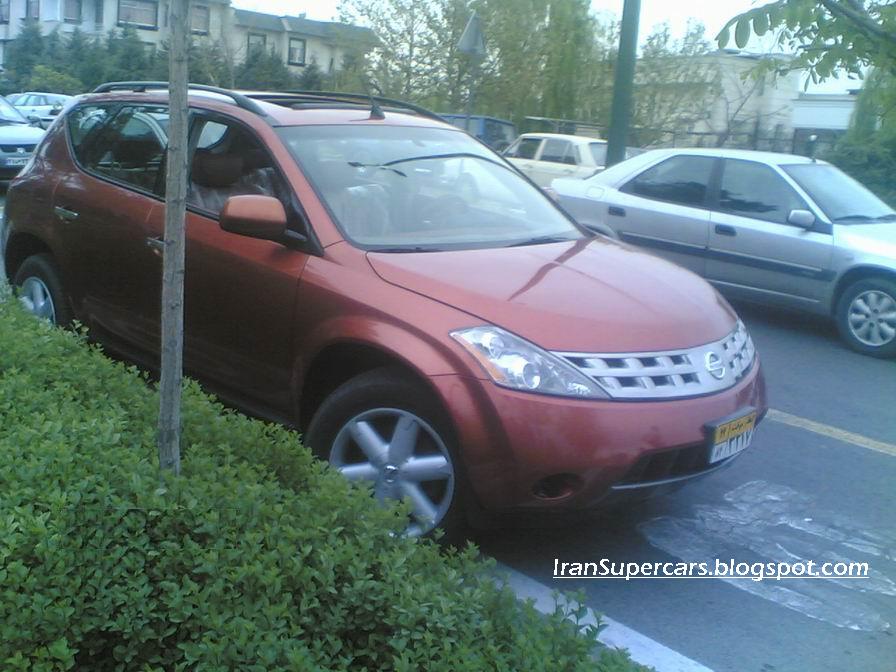
Nissan Murano in Iran
Nissan Murano in Iran (Courtesy of IranSupercars)

Toshiba

Industry
Manufacturing
Value of USG Contracts
672
Value of USG Contract Source
http://usaspending.gov/explore?fromfiscal=yes&fiscal_year=2000&contractorid=299537&fiscal_year=&tab=By+Prime+Awardee&fromfiscal=yes&carryfilters=on&Submit=Go
Symbol
TYO: 6502
States
CA
NY
Country
Japan
Contact Information
Sources

Listed as an approved vendor in Iran by NIOEC, NPC, NIGCENG, NISOC and SADAF.

--

The Toshiba website lists Badr Electric Company as the distributor in Iran. (Company Website)

--

"A spokesperson for Toshiba said the company did sell its products in Iran, but decided in 2009 to stop doing business there except for existing contracts and some sales of medical products."  

From 2000-2009, the company was the recipient of $285.2 million US federal funds.  Their business in Iran is currently active but there are no further plans for new investments.  (The New York Times, "Profiting from Iran, and the US," 3/6/2010)

Response

No response at this time.

Sony

Industry
Electronics, Manufacturing
Value of USG Contracts
104
Value of USG Contract Source
http://www.usaspending.gov/explore?fromfiscal=yes&fiscal_year=2000&contractorid=299600&fiscal_year=&tab=By+Prime+Awardee&fromfiscal=yes&carryfilters=on&Submit=Go
Symbol
NYSE:SNE
States
CA
HI
NY
TN
Country
Japan
Sources

SonyIran has a website here

--

According to its Annual Report filed with the SEC for fiscal year 2019: "Sony is aware that certain transactions during the fiscal year ended March 31, 2019, as described below, may be disclosable pursuant to Section 13(r) of the Exchange Act.

Sony does not customarily allocate net profit on a country-by-country or activity-by-activity basis, other than as set forth in Sony’s consolidated financial statements prepared in accordance with U.S. GAAP; thus, the net profit and loss described below are non-U.S. GAAP figures and are estimated solely for the purpose of preparing this disclosure pursuant to Section 13(r) of the Exchange Act. The information below is to the best of Sony’s knowledge, and in particular Sony may not be aware of all potentially reportable sales by third-party-owned dealers and distributors.

  • During the fiscal year ended March 31, 2019, a non-U.S. subsidiary of Sony sold medical instruments, including medical printers, print media and monitors, to a third-party-owned dealer in Dubai, which, to the best of Sony’s knowledge, planned to resell those products to hospitals and health organizations in Iran, some of which are under the control of the Iranian Ministry of Health. Sony’s gross revenue from these sales was approximately 1.4 million U.S. dollars, and Sony has estimated that its net profit from such sales was 0.2 million U.S. dollars.
  • Sony’s representative office in Tehran, Iran, which was established in 1992, has been closed and has been under liquidation processes since before the beginning of the fiscal year ended March 31, 2014. In the course of liquidation, Sony engages in certain incidental transactions (for example, permits, taxes, and similar matters incidental to the wind-down of the office in Iran) with Iranian government-owned entities. No material revenues or profits are associated with these transactions with the Iranian government-owned entities.

Sony is not aware of any other activity, transaction or dealing by Sony Corporation or any of its affiliates during the fiscal year ended March 31, 2019 that is disclosable in this report under Section 13(r) of the Exchange Act. As of the date of this report, Sony does not anticipate that any activity, transaction or dealing that may be disclosable will be conducted during the fiscal year ending March 31, 2020, except as described above in connection with the wind-down of its representative office in Iran. Nevertheless, Sony has continued to monitor developments in this area, especially in the light of the United States’ decision that was implemented in its entirety on November 5, 2018 to cease its participation in the Joint Comprehensive Plan of Action of July 14, 2015, among the United States, the United Kingdom, China, France, Russia, Germany, the European Union and Iran and re-impose certain secondary sanctions (i.e., laws and regulations that threaten to impose U.S. economic sanctions on non-U.S. companies engaging in specified transactions with Iran outside U.S. jurisdiction). Sony will determine whether and to what extent they affect Sony’s business with Iranian customers as currently conducted and may additionally be conducted. Such business activities may require disclosure pursuant to Section 13(r) of the Exchange Act. Sony intends to conduct any such business activities in accordance with applicable laws and regulations.

Sony believes, and maintains policies and procedures designed to ensure that, its transactions with Iran and elsewhere have been conducted in accordance with applicable economic sanctions laws and regulations and do not involve transactions likely to result in the imposition of sanctions or other penalties on Sony. However, there can be no assurance that Sony’s policies and procedures will be effective, and if the relevant authorities were to impose penalties or sanctions against Sony, the impact of such sanctions could be material."

--

During the fiscal year ended March 31, 2017, a non-U.S. subsidiary of Sony sold medical instruments, including medical printers, print media and monitors, to a third-party-owned dealer in Dubai, which, to the best of Sony’s knowledge, planned to resell those products to hospitals and health organizations in Iran, some of which are under the control of the Iranian Ministry of Health. Sony’s gross revenue from these sales was approximately 5.7 million U.S. dollars, and Sony has estimated that its net profit from such sales was 0.4 million U.S. dollars.

--

According to its Annual Report filed with the SEC for fiscal year 2016: "   

  • During the fiscal year ended March 31, 2016, a non-U.S. subsidiary of Sony sold medical instruments, including medical printers, print media and monitors, to a third-party-owned dealer in Dubai, which, to the best of Sony’s knowledge, planned to resell those products to hospitals and health organizations in Iran, some of which are under the control of the Iranian Ministry of Health. Sony’s gross revenue from these sales was approximately 4.8 million U.S. dollars, and Sony has estimated that its net profit from such sales was 0.3 million U.S. dollars.
  • Sony’s representative office in Tehran, Iran, which was established in 1992, has been closed and has been under liquidation processes since before the beginning of the fiscal year ended March 31, 2014. In the course of liquidation, Sony engages in certain incidental transactions (for example, permits, taxes, and similar matters incidental to the wind-down of the office in Iran) with Iranian government-owned entities. No material revenues or profits are associated with these transactions with the Iranian government-owned entities."

--

According to its Annual Report filed with the SEC for fiscal year 2015: "Sony is aware that certain transactions during the fiscal year ended March 31, 2015, as described below, may be disclosable pursuant to Section 13(r) of the Exchange Act.

Sony does not customarily allocate net profit on a country-by-country or activity-by-activity basis, other than as set forth in Sony’s consolidated financial statements prepared in accordance with U.S. GAAP; thus, the net profit and loss described below are non-U.S. GAAP figures and are estimated solely for the purpose of preparing this disclosure pursuant to Section 13(r) of the Exchange Act. The information below is to the best of Sony’s knowledge, and in particular Sony may not be aware of all potentially reportable sales by third-party-owned dealers and distributors.

  • During the fiscal year ended March 31, 2015, a non-U.S. subsidiary of Sony sold medical instruments, including medical printers and paper, to a third-party-owned dealer in Dubai, which, to the best of Sony’s knowledge, planned to resell those products to hospitals and health organizations in Iran, some of which are under the control of the Iranian Ministry of Health. Sony’s gross revenue from these sales was approximately 2.9 million U.S. dollars, and Sony has estimated that its net profit from such sales was 0.1 million U.S. dollars.       
  • Sony’s representative office in Tehran, Iran, has been under liquidation processes and no longer engaged in any operation or activities other than the matters necessary for liquidation since before the beginning of the fiscal year ended March 31, 2014. In the course of liquidation, the office would engage in certain incidental transactions (for example, permits, taxes, and other similar matters incidental to the wind-down of the office in Iran) with Iranian government-owned entities. No material revenues or profits are associated with these transactions with the Iranian government.

Sony is not aware of any other activity, transaction or dealing by Sony Corporation or any of its affiliates during the fiscal year ended March 31, 2015 that is disclosable in this report under Section 13(r) of the Exchange Act. As of the date of this report, Sony does not anticipate that any activity, transaction or dealing that may be disclosable will be conducted during the fiscal year ending March 31, 2016, except as described above in connection with the wind-down of its representative office or for certain transactions through third-party-owned dealers that Sony believes to be intended for hospitals and health organizations in Iran. Nevertheless, in the future, Sony may conduct additional sales activities in Iran through third-party-owned dealers/distributors, which may require disclosure pursuant to Section 13(r) of the Exchange Act. Sony intends to conduct any such sales in accordance with applicable law."

--

According to its Annual Report filed with the SEC for fiscal year 2014: "Sony is aware that certain transactions during the fiscal year ended March 31, 2014, as described below, may be disclosable pursuant to Section 13(r) of the Exchange Act.

Sony does not customarily allocate net profit on a country-by-country or activity-by-activity basis, other than as set forth in Sony’s consolidated financial statements prepared in accordance with U.S. GAAP; thus, the net profit and loss described below are non-U.S. GAAP figures and are estimated solely for the purpose of preparing this disclosure pursuant to Section 13(r) of the Exchange Act. The information below is to the best of Sony’s knowledge, and Sony in particular may not be aware of all potentially reportable sales by third-party-owned dealers and distributors.

  • Before the beginning of the fiscal year ended March 31, 2014, Sony ceased its sales of professional equipment for use in television broadcasting to a third-party-owned dealer in Dubai, except for selling after-sales service parts and providing after-sales service training for such equipment, which were also ceased by the end of May 2013. The third-party-owned dealer in Dubai, to the best of Sony’s knowledge, may have resold such after-sales service parts and provided relevant after-sales services to the Islamic Republic of Iran Broadcasting, which we believe is a parent company of such dealer. During the fiscal year ended March 31, 2014, Sony’s gross revenue from these sales and training was approximately 14,000 U.S. dollars, and Sony has estimated that its net profit from such sales and training was approximately 11,000 U.S. dollars.
  • During the fiscal year ended March 31, 2014, a non-U.S. subsidiary of Sony sold medical instruments, including medical printers, paper and monitors to a third-party-owned dealer in Dubai, which, to the best of Sony’s knowledge, planned to resell those products to the Iranian Ministry of Health. Sony’s gross revenue from these sales was approximately 2.5 million U.S. dollars, and Sony has estimated that its net profit from such sales was less than 0.5 million U.S. dollars.
  • During the fiscal year ended March 31, 2014, a non-U.S. subsidiary of Sony closed a dormant bank account at Future Bank B.S.C. in Bahrain. Sony’s non-U.S. subsidiary closed the account in March 2014 and withdrew the remaining balance of the equivalent of 26,000 U.S. dollars, less de minimis fees.
  • Sony’s representative office in Tehran, Iran, has been under liquidation processes and no longer engaged in any operation or activities other than the matters necessary for liquidation during the fiscal year ended March 31, 2014. In the course of liquidation, the office may engage in certain incidental transactions (for example, permits, taxes, and other similar matters incidental to the wind-down of the office in Iran) with Iranian government-owned entities. No material revenues or profits are associated with these transactions with the Iranian government.

Sony is not aware of any other activity, transaction or dealing by Sony Corporation or any of its affiliates during the fiscal year ended March 31, 2014 that is disclosable in this report under Section 13(r) of the Exchange Act. As of the date of this report, Sony does not anticipate that transactions that may be disclosable, as discussed above, will continue during the fiscal year ending March 31, 2015, except as described above in connection with the wind-down of its representative office or for certain transactions through third-party-owned dealers that Sony believes to be intended for the Iranian Ministry of Health. Nevertheless, in the future, Sony may conduct additional sales activities in Iran through third-party-owned dealers/distributors, which may require disclosure pursuant to Section 13(r) of the Exchange Act. Sony intends to conduct any such sales in accordance with applicable law.

Sony believes that, and maintains policies and procedures designed to ensure that, its transactions with Iran and elsewhere have been conducted in accordance with applicable economic sanctions laws and regulations and do not involve transactions likely to result in the imposition of sanctions or other penalties on Sony. However, there can be no assurance that Sony’s policies and procedures will be effective, and if the relevant authorities were to impose penalties or sanctions against Sony, the impact of such sanctions could be material."

--

Company website lists numerous outlet and retail shops in Iran. (Company Website)

--

“Sony Corp. (6758) sold almost $13 million in video and medical equipment to dealers in Dubai that resold the gear in Iran, the company said. The recipients included groups under U.S. sanctions. In a U.S. filing yesterday, Sony said it sold broadcast equipment, security cameras and video-conferencing gear to dealers who planned to resell or resold the products to groups including the Information Technology Department of the Iranian Police and the Islamic Republic of Iran Broadcasting… Sony ‘believes that, and maintains policies and procedures designed to ensure that, its transactions with Iran and elsewhere have been conducted in accordance with applicable economic sanctions laws and regulations,’ according to the filing. Penalties or sanctions taken against the company could be material if any government disagrees, Sony said... One dealer was a subsidiary of the Islamic Republic of Iran Broadcasting, Sony said in the filing. The company also reported sales of medical instruments -- including printers, paper and monitors -- it said were intended for the Ministry of Health.  Sony said it made the disclosure under the Iran Threat Reduction and Syria Human Rights Act of 2012 and related amendments to the Securities Exchange Act of 1934.  The company said it registered a profit of about $500,000 from the sale.” (Bloomberg, Sony Reports Tech Sales to Iran that May Violate Sanctions,” 6/27/13)

--

According to its Annual Report filed with the SEC for fiscal year 2013: "Sony is aware that certain transactions during the fiscal year ended March 31, 2013, as described below, may be disclosable pursuant to Section 13(r) of the Exchange Act.

Sony does not customarily allocate net profit on a country-by-country or activity-by-activity basis, other than as set forth in Sony’s consolidated financial statements prepared in accordance with U.S. GAAP; thus, the net profit and loss described below are non-U.S. GAAP figures and are estimated solely for the purpose of preparing this disclosure pursuant to Section 13(r) of the Exchange Act. The information below is to the best of Sony’s knowledge, and Sony in particular may not be aware of all potentially reportable sales by third-party-owned dealers and distributors.

  • During the fiscal year ended March 31, 2013, Sony sold professional broadcast equipment, including cameras, switchers, VTRs, monitors and other associated broadcast equipment and media products for use in television broadcasting, to a third-party-owned dealer in Dubai, which, to the best of Sony’s knowledge, resold that equipment to the Islamic Republic of Iran Broadcasting, which we believe is a parent company of such dealer. Sony’s gross revenue from these sales was approximately 5.2 million U.S. dollars, and Sony has estimated that its net profit from such sales was less than 0.3 million U.S. dollars.
  • During the fiscal year ended March 31, 2013, Sony sold medical instruments, including medical printers, paper and monitors to a third-party-owned dealer in Dubai, which, to the best of Sony’s knowledge, planned to resell those products to the Iranian Ministry of Health. Sony’s gross revenue from these sales was approximately 4.9 million U.S. dollars, and Sony has estimated that its net profit from such sales was less than 0.1 million U.S. dollars.
  • During the fiscal year ended March 31, 2013, Sony sold video security cameras and hard disk products to a third-party-owned dealer in Dubai, which, to the best of Sony’s knowledge, planned to resell those products to the judiciary, Ferdowsi University, Iran Railway, Bank Sepah and Bank Melli in Iran. Such equipment is generally used by purchasers for the purposes of standard building/premises security in fixed locations. During the fiscal year ended March 31, 2013, Sony’s gross revenue from these sales was approximately 2.2 million U.S. dollars, and Sony has estimated that its net profit from such sales was less than 0.1 million U.S. dollars.
  • During the fiscal year ended March 31, 2013, Sony sold video conference equipment to third-party-owned dealers in Dubai, which, to the best of Sony’s knowledge, planned to resell that equipment to the Information Technology Department of the Iranian Police. Sony’s gross revenue from these sales was approximately 0.5 million U.S. dollars, and Sony estimates that it recorded a net loss from such sales.


Sony’s small representative office in Tehran, Iran, may engage in certain incidental transactions (for example, permits, utilities, and other similar matters incidental to operating an office in Iran) with Iranian government-owned entities. No material revenues or profits are associated with these transactions with the Iranian government.

Sony is not aware of any other activity, transaction or dealing by Sony Corporation or any of its affiliates during the fiscal year ended March 31, 2013 that is disclosable in this report under Section 13(r) of the Exchange Act. As of the date of this report, Sony does not anticipate that transactions that may be disclosable, as discussed above, will continue during the fiscal year ending March 31, 2014, except for the operation of its representative office and certain transactions through third-party-owned dealers that Sony believes to be intended for the Islamic Republic of Iran Broadcasting and the Iranian Ministry of Health. Nevertheless, in the future, Sony may conduct additional sales activities in Iran through third-party-owned dealers/distributors, which may require disclosure pursuant to Section 13(r) of the Exchange Act. Sony intends to conduct any such sales in accordance with applicable law.

Sony believes that, and maintains policies and procedures designed to ensure that, its transactions with Iran and elsewhere have been conducted in accordance with applicable economic sanctions laws and regulations and do not involve transactions likely to result in the imposition of sanctions or other penalties on Sony. However, there can be no assurance that Sony’s policies and procedures will be effective, and if the relevant authorities were to impose penalties or sanctions against Sony, the impact of such sanctions could be material."

--

"In the electronics and home appliances sections, sales of LG and Sony flat-screen televisions come with attractive service plans and free home installations. Local brands, such as Pars, go mostly ignored." (The Washington Post, "Iran hopes to resist sanctions by boosting production," 10/27/2012) 

--

"But its population of about 75 million includes a sizeable urban middle class who have been avid consumers of foreign-made goods, including Samsung and Sony electronics and Peugeot cars." (Reuters, "Iran says it will cut imports of non-essential goods," 10/14/2012)

--

"Sony has been in Iran since at least 2000 and currently has an office in the country."  From 2000-2009, the company was the recipient of $103.3 million US federal funds.  The company's business in Iran is currently active.  (The New York Times, "Profiting from Iran, and the US," 3/6/2010)

Response

No response at this time.

Mitsui & Co., Ltd.

Industry
Chemicals, Shipping
Value of USG Contracts
769
Value of USG Contract Source
http://www.nytimes.com/interactive/2010/03/06/world/iran-sanctions.html
Symbol
TYO: 8031
States
CA
DC
MI
NY
TN
TX
WA
Country
Japan
Contact Information
Sources

Mitsui & Co. website lists an office at 4Th Floor, No.37, East Atefi alley, Nelson Mandela Blvd, Tehran, Iran Postal Code: 1917797498 for Mitsui & Co., Iran LTD.

--

Mitsui & CO. is listed on New Jersey's March 2022 list of companies engaged in business with Iran. 

--

Mitsui & Co. is not listed on California Public Employees’ Retirement System 2020 California Public Divest from Iran Act and Sudan Act Legislative Report.

--

Mitsui & Co. is not listed on the Minnesota State Board of Investment's January 2020 report on companies doing business with Iran.

--

"Mitsui & Co., Ltd. reportedly purchases oil from Iran. In 2019, CalSTRS identified Mitsui & Co., Ltd. as potentially having ties to Iran and began the review process. In 2020, CalSTRS removed Mitsui & Co., Ltd. after reviewing the company’s internal controls to prevent sanction violations."

--

"Iran Ready to Develop Onshore Section of Gas Pipeline to Oman. International oil and gas firms, including Total, Shell, KOGAS, Mitsui and Germany's Uniper SE and E.ON SE, can be involved in the gas venture." (January 15, 2018).

--

In 2017 the U.S. states of Minnesota, Rhode Island, South Carolina, Tennessee listed Mitsui on its list of companies doing material business with Iran rendering Mitsui ineligible for investment and/or state contracting.

--

"In a significant deal, a Long Range I tanker has been chartered for delivering a parcel of 55,000 mt of Iranian naphtha to Japan next month, several brokers, owners and charterers said Monday. A 2009-built, Bahamas-flagged tanker, the 75,000 dwt Gulf Cobalt has been placed on subjects by Mitsui and loading is scheduled in the next two weeks at one of the Iranian ports, shipping industry sources tracking the developments told S&P Global Platts. Mitsui officials could not be immediately reached for comment but shipping sources tracking the deal said that there is also an option to take the cargo to other parts of North Asia. The deal is important because if the option to discharge the cargo at one of the Japanese ports is exercised, it will be one of the first LR1 tankers to deliver Iranian naphtha into the country after the sanctions were eased on the Persian Gulf nation last year." (Platts, "Tankers: Mitsui takes LR1 To Ship Iran Naphtha to Japan: Industry Sources,"2/6/2017). 

--

In 2016 Tennessee used the South Carolina list of "Entities Ineligible to Contract with the State of South Carolina or any Political Subdivision of the State per the Iran Divestment Act of 2014, S.C. Code Ann." as its list of persons it determines engage in investment activities in Iran. Mitsui was included on this list in 2016. "Inclusion on this list would make a person ineligible to contract with the state of Tennessee, if a person ceases its engagement in investment activities in Iran, it may be removed from the list."

In 2018 Tennessee used the New York list of “Entities determined to be non-responsive bidders/offerers pursuant to the New York State Iran Divestment Act of 2012.” BPCL was included on this ist in 2018. Tennessee states "Inclusion on this list would make a person ineligible to contract with the state of Tennessee, if a person ceases its engagement in investment activities in Iran, it may be removed from the list."

--

"Conservative Japanese firms have so far held off taking Iranian crude due to a lack of internationally acceptable insurance coverage, but are looking at ways of using cover provided by the Japanese government, the sources said. The traders seeking to restart purchases together imported around 50,000 barrels per day (bpd) of Iranian oil before sanctions were imposed and renewed purchases would give a boost to Tehran's aim of increasing its exports to 4 million bpd... Earlier this month, Mitsui & Co resumed taking Iranian oil for the first time since at least 2012, co-loading Iranian condensate with a major Japanese refiner on a tanker, a source familiar with the shipping schedule said..." (Reuters, "Some Japan trading houses eye resuming Iran oil imports-sources," 10/19/2016).

--

In 2015 Mitsui & Co was removed from Pennsylvania Treasury's List of Scrutinized Companies Determined as Having Involvement In Iran because the company's "involvement in purchases of crude oil falls uner the waivers granted by the U.S. government that meet Section (a)(2) of Act 44's expiration clause."
 

--

The Mitsui & Co., Ltd. company website lists offices in Tehran, Iran.

--

“Japan's Mitsui Company has announced that it is ready to invest $4 billion in Iran's railway, airport, port and shipping projects. Senior officials from the Japanese company met with officials from Iran's Transport and Urban Development Ministry, discussing the investment opportunities, Iran's Mehr news agency reported on May 9. In March, Iranian Foreign Minister Mohammad Javad Zarif said Japan has been an important trading partner to Iran, but unfortunately because of sanctions, there has been a sharp drop in the trade relations. ‘It is important for us to take advantage of the opportunity provided by the result of development in the international scene,’ he said, referring to a deal between Iran and six countries struck in November to curb Tehran's uranium enrichment in exchange for the easing of tough international sanctions.” (Trend, “Japanese company ready to invest $4 bln in Iran’s transport projects,” 5/9/14)

--

"Japanese shipping company Phoenix Tankers is one such company. Phoenix shipped Iranian LPG to South Korea earlier this year on a spot basis, said Tetsutaro Kozai, a spokesman at Mitsui OSK, the parent company of Phoenix. 'It is now up to our customers as the EU has discussed but not yet decided if LPG is subject to sanctions,' he said. 'If there is such a spot order, we'll comply with the EU's decision and consider if we can transport safely before accepting it.'" (Reuters, "EU sanctions strangle Iranian LPG exports to Asia," 10/31/2012")


--

"Nova Tankers, the Copenhagen-based operator of a pool of ships including vessels owned by Mitsui O.S.K Lines Ltd., won't load Iranian crude because of European sanctions, Managing Director Morten Pilnov said by phone from Singapore on Feb 9."  (Bloomberg, "Iran Sanctions Tighten as OSG to Frontline Halt Crude Cargo," 2/13/2012)

--

In 2011, Misui & Co was added to the Pennsylvania Treasury's List of Scrutinized Companies Determined as Having Involvement in Iran because of oil-related investment of US $20 million since 1996.
 

--

"Iran's Petrochemical Commercial Co (PCC) sold 15,000-23,000 tonnes of ammonia for late October lifting to Japanese trader [1]Mitsui at $420/tonne (€307/tonne) FOB (free on board), market sources said on Thursday. The price was $10/tonne higher than the last concluded sale out of the Middle East amid limited supply and healthy demand, they said. From Qatar Fertilizer Co (QAFCO), Mitsui bought a spot cargo for mid-October loading at [2]$410/tonne FOB on 16 September, sources said." (Chemical News & Intelligence, "Iran's PCC sells up to 23,000t ammonia to Mitsui at $420/tonne," 9/30/10)

--

"Mitsui has purchased an Iranian ammonia cargo for August shipment at $315/tonne (€246/tonne), up by $20/tonne from its last buy, amid a firmer market, a source with the Japan-based trader said on Thursday. The 23,500-tonne cargo was purchased from Iran's Petrochemical Commercial Co on a free on board (FOB) basis, the source said. The Tilos vessel is due to arrive at the port on 27 July and the cargo is to be lifted in the second half of August, the source said, adding that the shipment is expected to sail to India. Mitsui last purchased ammonia from Petrochemical Commercial in late June at $295/tonne FOB for late-July/early-August shipment from the port of Bandar Imam Khomeini." (Chemical News & Intelligence, "Mitsui buys 23,500-tonne Iran ammonia cargo at $315/tonne," 7/22/10)

--

"Mitsui's business in Iran goes back to the 1970s, according to a company history, and its Web site lists a current office in Iran. Mitsui & Co., Ltd. has arranged financing provided by export credit agencies for the principals of industrial projects in Iran that have been planned, owned and operated by companies in which the government has a direct or indirect equity share, according to company spokesman Shinji Takeuchi. He said that Mitsui & Co. is also involved in supporting the purchase of crude oil, oil products and petrochemical products from Iran for sale in Japan and other Asian countries. Mitsui's lucrative work for the United States government includes providing platinum to the United States Mint for coins."  From 2000-2009, the company was the recipient of $768.6 million US federal funds.  Their investments are currently active in Iran.  (The New York Times, "Profiting from Iran, and the US," 3/6/2010)

--

The U.S. has not begun to exercise its leverage in that area. Consider that in the last two years, Brazil's Petrobras, China's Sinopec, Italy's Eni, Japan's Mitsui Petrochemical and Norway's Statoil have all reportedly made deals worth more than $10 million each in Iran's energy sector. All are listed on the New York Stock Exchange (except for Mitsui's parent, which is on the Nasdaq). Should Iran's economic enablers be listed on American exchanges? (The Wall Street Journal, "The Right Sanctions Can Still Stop Iran," 12/10/09)

--

Trading companies including Mitsui & Co., Marubeni, and Mitsubishi Corp. are lifting large quantities of products from Iran. (Chemical Week, "Iran Aims to Overtake Saudi Arabia in Petchems; NPC Sale Advances," 5/26/08)

--

Listed by U.S. Government as doing business in Iran. (U.S. Securities and Exchange Commission, "List of Companies Doing Business With State Sponsors Of Terror," Removed from the Internet in July 2007)

--

Mitsui Engineering and Shipbuilding was up 4.2 pct or 8 yen at 200 following a report it won a 35 bln yen contract to build an ethylene glycol factory in Iran. (AFX, "Tokyo stocks slightly higher at lunch on foreign investor-led buying," 2/21/05)

Response

Response: “We are determined to continue our efforts to ensure full compliance with the evolving laws and regulations relating to Iran sanctions.” (December 2, 2016)

Mitsubishi Motors

Industry
Automotive
Value of USG Contracts
337
Value of USG Contract Source
http://www.nytimes.com/interactive/2010/03/06/world/iran-sanctions.html
Symbol
TYO:7211
States
NY
Country
Japan
Sources

Arian Motor, located in Tehran, Iran, is listed as a part of Mitsubishi Motor's Global Network.

--

Mitsubishi Motors exported as many as 3,000 cars to Iran in 2016 but has recently halted exports there citing tougher custom procedures. (1/8/2020). 

--

Mitsubishi Motors lists Arian Motors as its distributor in Tehran Iran on its company website

--

Website for Mitsubishi Motors in Tehran, Iran. (http://www.mitsubishico.com/)

--

"Previously, 25 car brands were included in the list, such as South Korean brands (Kia and Hyundai), Chinese brands (SAIC motors), Italian brands (Fiat, Alpha Romeo), Japanese brands (Honda, Mitsubishi), German brands (ABT), and Swedish brands (Volvo)." (Azer News, "Iran bans imports of renowned car brands," 5/27/2013) 

--

"Mitsubishi sells petroleum products, crude oil, carbon, liquefied natural gas, power and electrical systems, ships, and automobiles to Iran, among other things, according to its Web site."  From 2000-20009, the company was the recipient of $337.7 million US federal funds.  Their investments in Iran are currently active.  (The New York Times, "Profiting from Iran, and the US," 3/10/2010)

--

Trading companies including Mitsui & Co., Marubeni, and Mitsubishi Corp. are lifting large quantities of products from Iran. (Chemical Week, Iran Aims to Overtake Saudi Arabia in Petchems; NPC Sale Advances, May 26, 2008)

--

The Teacher Retirement System of Texas investment portfolio includes 19 companies that do business with Iran. The most familiar company names: Royal Dutch Shell, Mitsubishi Heavy Industry and Samsung Engineering. (San Antonio Express-News, TRS, ERS miss 30-day deadline to formulate Iran-divestment plan, November 18, 2007)

--

Listed by U.S. Government as doing business in Iran. (U.S. Securities and Exchange Commission, List of Companies Doing Business With State Sponsors Of Terror, Removed from the internet in July of 2007)

--

GIANTS WITH A FOOT IN TEHRAN: Total, Shell, Statoil, BNP Paribas, Commerzbank, MTN, UPS, Linde, Technip, Nokia, Ericsson, Peugeot, Renault, OMV, Societe Generale, ENI, Mitsubishi, Sumitomo, Siemens, LG, Samsung, Bosch, Valeo, Nestle, Unilever, BAT, Japan Tobacco. (The London Times, American pressure threatens UK firms, May 27, 2006)

Response

Response: “…appreciate your advice on the remaining legal and other risks…[we] recognize compliance with laws and regulations as a top priority…” (July 20, 2016)